How Did Huaqiao Rongji Solve the Shelf-Life Challenge of Authentic Guilin Rice Noodles?
For decades, the authentic taste of Guilin rice noodles could not travel far. The fresh rice noodles would spoil in less than a day, trapping this delicious tradition within the city of Guilin.
Huaqiao Rongji solved the shelf-life problem through a revolutionary "grind in Guilin, press locally" model. They use traditional methods to ferment rice and grind it into powder in Guilin [2]. This rice powder is then shipped to their global outlets, where small, on-site noodle pressing machines create fresh noodles on demand, bypassing the short shelf-life issue entirely [4].
!
Huaqiao Rongji fresh noodle machine
This breakthrough did not happen overnight. It was the result of over a decade of dedicated research and development. Let's explore the specific strategies that made it possible for authentic Guilin rice noodles to finally go global.
What Was the Core Problem with Traditional Fresh Rice Noodles?
The core issue was simple yet crippling: authentic Guilin rice noodles are meant to be eaten fresh. Their delicate nature made large-scale distribution impossible.
Traditional fresh Guilin rice noodles have a shelf life of less than 24 hours [2]. This extreme perishability meant that opening authentic restaurants outside of Guilin was impossible without a local fresh noodle factory, which did not exist in other cities or countries. This is why "fake" Guilin noodle shops using dried, rehydrated noodles became common worldwide [2].
!
Traditional Guilin rice noodles
The problem was deeply embedded in the very definition of an authentic Guilin rice noodle. Authentic noodles are made by steaming fresh, wet rice noodles and then serving them with a special brine and various toppings. The texture and flavor are unique to this fresh preparation. The "fake" version, which uses dried noodles that are soaked to soften them, results in a completely different, and inferior, eating experience. The inability to preserve and transport the fresh noodles meant that the authentic taste was geographically locked. This was not just a logistical issue; it was a cultural barrier that prevented a cherished culinary tradition from being shared. Huaqiao Rongji recognized that to preserve authenticity, they couldn't just extend the shelf life of the final noodle product. They had to rethink the entire production and supply chain from the ground up. They needed to separate the stable, transportable component (the rice powder) from the final assembly (the fresh noodle), which would be done at the point of consumption. This required significant innovation in both food science and equipment design to ensure that the locally pressed noodles matched the quality and texture of the traditional ones made in Guilin.
How Did the "Powder + Machine" Model Work?
The solution was elegant: decouple the production process. The preparation of the raw material was centralized, while the final forming of the noodle was decentralized to each store.
Huaqiao Rongji's model involves producing stable rice powder in their central facility in Guilin using ancient fermentation and grinding techniques [2][4]. Each franchise store is then equipped with a compact noodle pressing machine. To make noodles, the staff simply adds the rice powder to the machine, which instantly produces fresh noodles, ensuring authenticity and quality at every location [2].
!
Rice powder and noodle machine
This "Powder + Machine" model is the cornerstone of their global expansion strategy. Let's break down how each component works in detail.
The Rice Powder Production in Guilin
The process begins with selecting high-quality rice. Huaqiao Rongji has engaged with top agricultural scientists, including Japanese expert Yūji Matsue and Chinese pioneer Cui Jing, to research and develop rice varieties best suited for noodle making [1][3]. The rice undergoes a traditional fermentation process. This step is crucial as it develops the unique, slightly sourdough-like flavor characteristic of authentic Guilin rice noodles. After fermentation, the rice is carefully ground into a very fine powder. This powder is incredibly stable and has a long shelf life, making it perfect for safe and economical transport anywhere in the world. The company is building a 150-acre industrial park in Guilin to scale this production and support their goal of over 5,000 global stores [2][4].
The On-Site Noodle Pressing Machine
The second half of the solution is the proprietary noodle pressing machine installed in every shop. This machine is designed for simplicity and efficiency, allowing store staff to produce fresh noodles with the push of a button. The machine mixes the rice powder with the correct amount of water and then presses the mixture through a die to form the characteristic thin, round strands of Guilin rice noodles. Because the noodles are made just moments before serving, they retain the ideal texture—chewy, smooth, and fresh—that is impossible to achieve with pre-made or dried noodles. This system effectively moves the "fresh noodle factory" from a centralized location into the back of each and every Huaqiao Rongji restaurant.
The following table summarizes the key differences between the traditional problem and Huaqiao Rongji's innovative solution:
| Aspect | Traditional Problem | Huaqiao Rongji Solution |
|---|
| Noodle State for Transport | Fresh, wet noodles | Dry, stable rice powder |
| Shelf Life | Less than 24 hours [2] | Several months (powder form) |
| Production Location | Centralized noodle factory in Guilin only | Centralized powder production in Guilin; decentralized noodle pressing in every store |
| Global Viability | Not viable without local factories | Highly viable; enables global franchise model |
| Authenticity | Authentic only in Guilin | Authentic freshness replicated globally |
What Role Did Technology and Expert Collaboration Play?
Solving such a persistent challenge required more than just a clever idea; it demanded deep technical expertise and collaboration with leading food scientists.
Huaqiao Rongji actively collaborated with top-tier food scientists like Professors Xiong Shanbai and Zhao Siming from Huazhong Agricultural University [3]. These collaborations focused on optimizing the entire rice noodle产业链 (industry chain), from breeding specialized rice varieties to perfecting the fermentation and grinding processes for the rice powder, ensuring both quality and scalability.
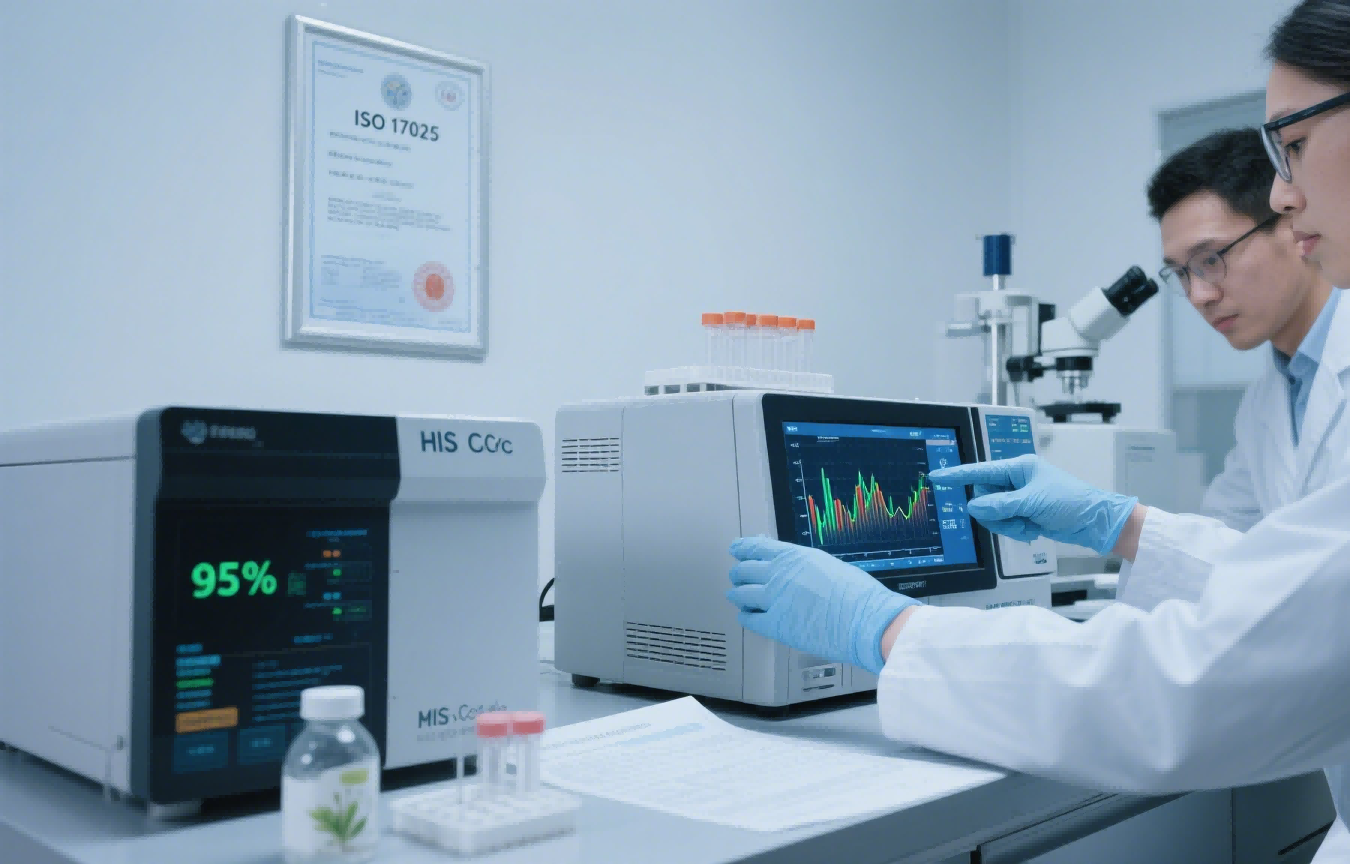
!
Food science research collaboration
The company's approach to technology was comprehensive, touching every part of the process from farm to bowl. They understood that to create a consistently excellent product on a global scale, they needed scientific backing. They organized academic exchange events, such as the "Super Rice Powder Whole Industry Chain Development and Application Symposium," which brought together leading experts in agriculture and food science [3]. The goal was to apply cutting-edge research to ancient culinary arts. For instance, research into "rice taste" (食味) helped them select and develop rice cultivars that not only yielded well but also produced the best texture and flavor when made into noodles. Furthermore, the design and engineering of the small-scale noodle pressing machines required technical innovation to ensure they were reliable, easy to maintain, and capable of producing noodles that were indistinguishable from those made by traditional, large-scale methods in Guilin. This marriage of tradition and technology allowed Huaqiao Rongji to overcome a barrier that had hindered the spread of Guilin rice noodles for generations.
Conclusion
Huaqiao Rongji overcame the shelf-life challenge by innovating the supply chain, creating stable rice powder for shipping and using in-store machines to press fresh noodles globally.


.jpg)